Engineering-Led Strategy: Why Technical Organisations Need a Different Consulting Model
Traditional management consulting frameworks were largely developed for industries focused on financial optimisation, corporate restructuring, and operational scaling within established markets.

Engineering-driven organisations, however, operate under fundamentally different conditions. They must navigate deep technological complexity, long development cycles, stringent regulatory requirements, manufacturing constraints, and uncertain market adoption. In these environments, strategy cannot be separated from technical reality. An engineering-led consulting model recognises that technology architecture, product development, manufacturing processes, and business strategy are not independent functions but deeply interconnected systems that influence one another throughout the innovation lifecycle.
For example, decisions made during early product design can determine whether a product can be manufactured economically at scale, while material selections in technologies such as biosensors can significantly impact regulatory approval pathways. Similarly, system architecture choices can shape operational costs and business performance for years after launch.Traditional strategy models often overlook these technical dependencies, creating plans that appear sound in theory but encounter significant challenges during execution. Engineering-led strategy instead integrates technology, operations, and business strategy into a unified framework, enabling organisations to simultaneously evaluate technical feasibility, operational scalability, and commercial viability. In complex innovation environments, effective strategy must be grounded in engineering reality. Without this integration, organisations risk developing ambitious plans that perform well in presentations but fail to deliver sustainable results in practice.
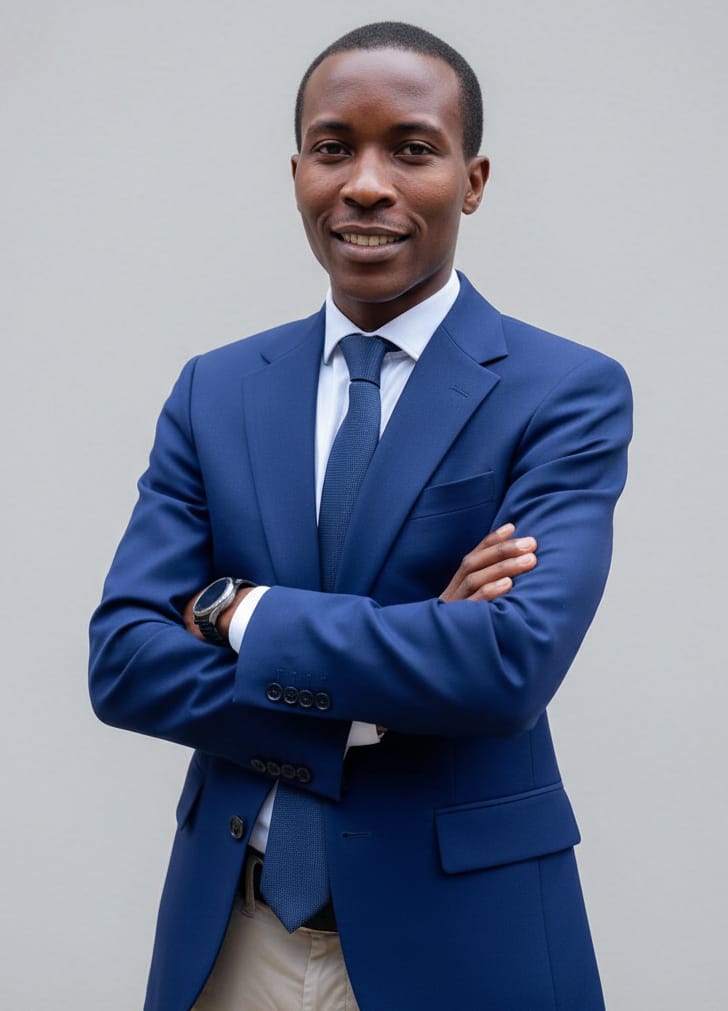
Geoffrey Ndege
Geoffrey Ndege is an interdisciplinary engineering leader and innovation strategist with expertise spanning applied chemistry, manufacturing technology, and healthcare engineering innovation. He combines technical depth with management discipline to ensure innovation translates into measurable performance.